INSTALLATION
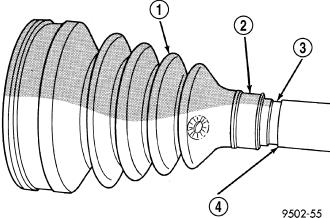
NOTE: The inner tripod joint sealing boots are made from two different types of material. High-temperature applications (close to exhaust system) use silicone rubber whereas standard temperature applications use Hytrel plastic. The silicone sealing boots are soft and pliable. The Hytrel sealing boots are stiff and rigid. The replacement sealing boot MUST BE the same type of material as the sealing boot that was removed.
Inner tripod joint seal boot MUST be positioned on interconnecting shaft, so the raised bead on the inside of the seal boot is in groove (3) on interconnecting shaft.
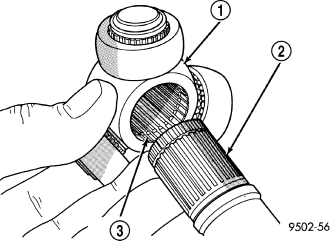
NOTE: The rollers can fall off, use caution when installing the tripod
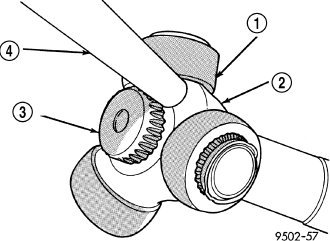
Do not hit the outer tripod bearings in an attempt to install spider assembly on interconnecting shaft.
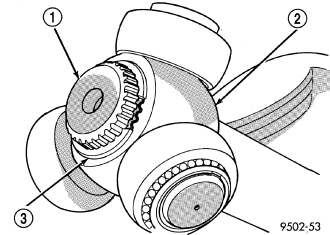
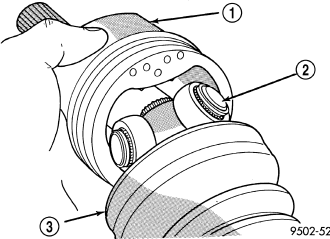
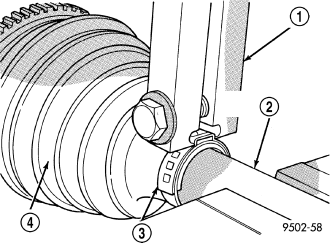
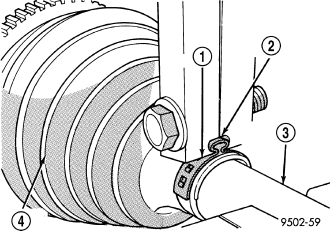
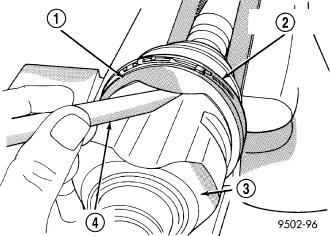
CAUTION: Seal must not be dimpled, stretched, or out–of–shape in any way. If seal is NOT shaped correctly, equalize pressure in seal and shape it by hand.
CAUTION: The following positioning procedure determines the correct air pressure inside the inner tripod joint assembly prior to clamping the sealing boot to inner tripod joint housing. If this procedure is not done prior to clamping sealing boot to tripod joint housing, boot durability can be adversely affected.
CAUTION: When venting the inner tripod joint assembly, use care so inner tripod sealing boot does not get punctured or, in any other way, damaged. If sealing boot is punctured or damaged while being vented, the sealing boot can not be used.
When inserting trim stick between tripod housing and sealing boot, ensure trim stick is held flat and firmly against the tripod housing. If this is not done, damage to the sealing boot can occur.
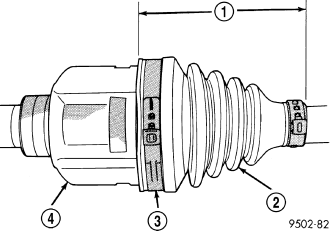
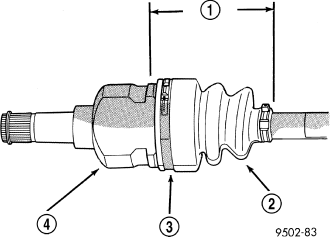
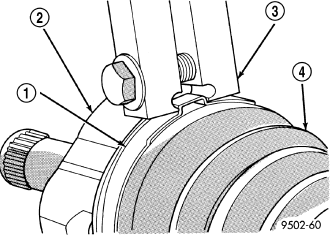
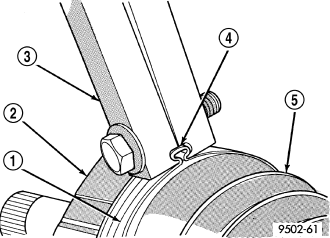
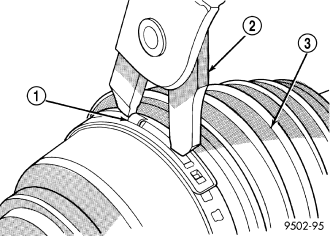
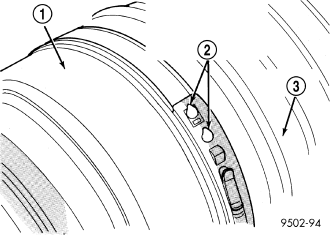
(Refer to 3 - DIFFERENTIAL & DRIVELINE/HALF SHAFT - INSTALLATION)